Wellness starts
at the Root

Building Generational Health

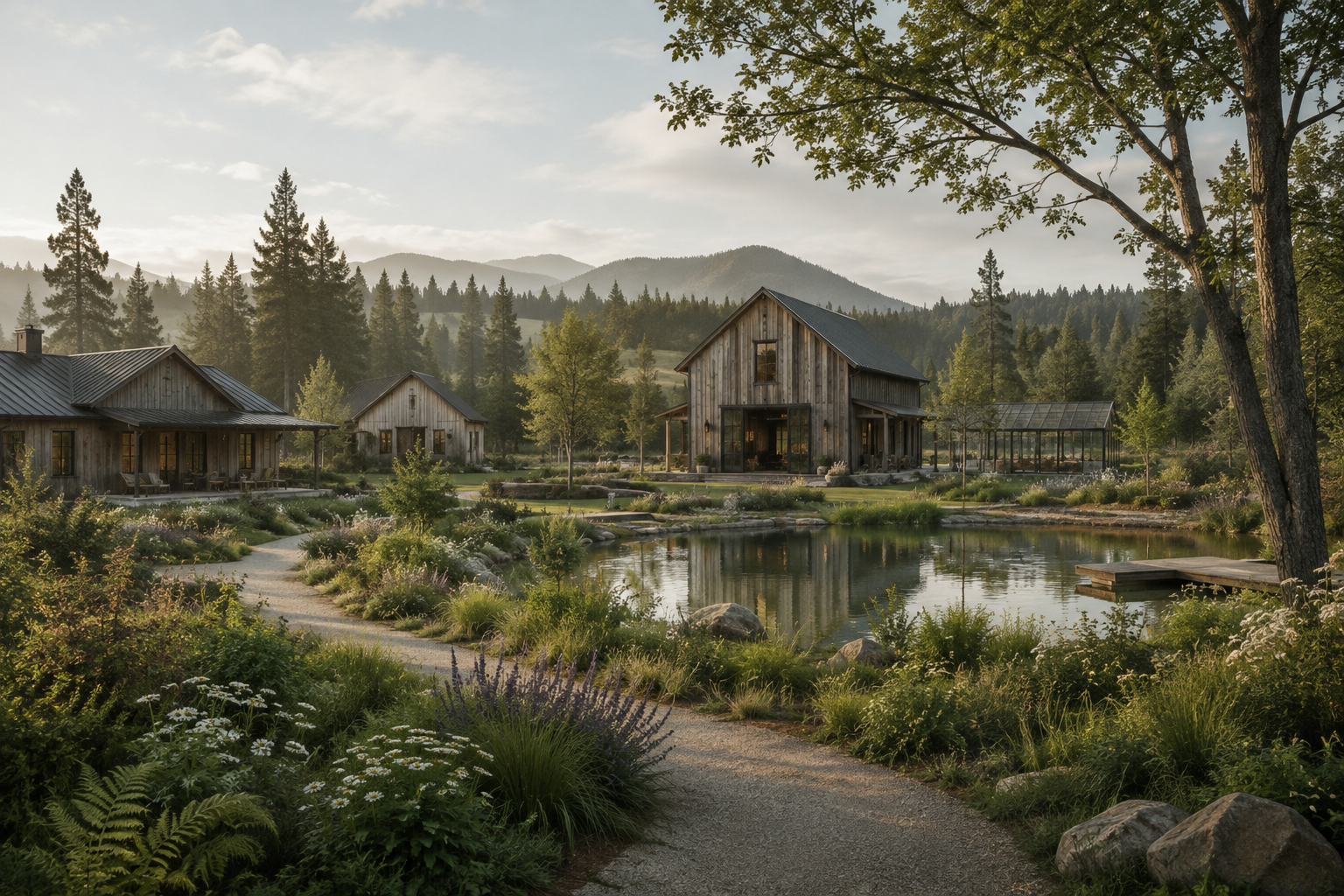
Westwoods is a 157-acre regenerative farm and wellness destination in the Squamish Valley, BC — where food is grown with intention, land is stewarded for the long term, and people remember what it feels like to be well at the root level.

We're building something the Sea-to-Sky corridor has never had: a place where the community can grow food, access the land, and invest in their health in a way that lasts beyond a single weekend.

For the Community

Farm memberships. Seasonal CSA boxes. Hands-on workshops. Overnight farm stays. Westwoods is designed to be part of your life — not a luxury you visit once. Whether you're a family who wants to know where your food comes from, or someone who needs more than a gym membership to feel good, there's a place for you here.

This is your farm. Built by a local, for locals — and open to anyone ready to put their health back at the center.

For Investors

Westwoods sits at the intersection of wellness tourism and regenerative agriculture — two of the fastest-growing sectors in North America. The model is vertically integrated across 14+ revenue streams: farm memberships, farm accommodations, CSA, experiences, and events.

The founder, Layne O’Donnell has already built Plunge Wellness in Squamish from the ground up — profitably, with no advertising spend, and a 2,000+ person local network behind her. Westwoods is the next chapter.

We're raising to complete land acquisition. This is a rare opportunity to invest in something that generates returns and builds generational health for a community that needs it.

Rooted in Community

Westwoods is designed to operate as both a working farm and a community asset. A portion of the land and programming will be dedicated to education, food access, and local partnerships.

Our goal is to create a place where people can learn about agriculture, food systems, and wellness in a hands-on environment while supporting the broader community.

This commitment includes:

Community Garden Plots available to local residents and families
Educational programming for schools and youth groups
Volunteer farm days where the community can participate in seasonal work
Partnerships with local farms and food producers
Donation of surplus produce to community food initiatives

Westwoods is not designed as a private retreat or exclusive destination. It is intended to be a working landscape that remains connected to the people and community around it.

Philanthropy

A Portion of the Farm Dedicated to Giving Back

A percentage of programming revenue and agricultural production will be allocated toward community initiatives.

These initiatives may include:

• Food access programs
• School garden partnerships
• Environmental education
• Habitat restoration projects
• Community wellness programming

As the farm grows, Westwoods will formalize a Community Impact Fund designed to reinvest a portion of profits into land stewardship and local initiatives.

The intention is for the project to support not only its guests and members, but also the broader community and ecosystem it exists within.

Frequently Asked Questions

The Community Farm

A Working Landscape Shared With Members

Westwoods will operate a membership-supported farm model that allows individuals and families to participate in the life of the farm.

This model supports predictable revenue for farm operations while giving members meaningful access to the land.

Membership benefits may include:

• Seasonal produce from the farm
• Access to members-only events and workshops
• Farm volunteer days and harvest experiences
• Priority booking for retreats and programs
• Discounts on farm stays and wellness experiences

Membership is designed to create a long-term relationship between people and the land rather than a one-time visitor experience.

Why This Matters

Westwoods is designed to demonstrate that agriculture, education, hospitality, and wellness can exist together on a single property without displacing the farm itself.

By combining community access, regenerative farming, and modest accommodations, the project creates a financially viable model for land stewardship that can operate for generations.

Membership Model

A Community-Supported Model

Memberships will operate on an annual basis and will help support the farm’s agricultural operations, education programs, and land stewardship work.

Planned membership tiers include:

Community Member

Access to farm events, seasonal markets, and select programming.

Farm Member

Includes seasonal produce allocations, workshop access, and volunteer harvest days.

Founding Member

Limited membership tier supporting early development of the farm with expanded benefits including:

• priority access to events
• early booking for farm stays
• invitations to seasonal harvest dinners
• recognition as founding supporters of the project

Membership revenue provides stable operational funding for the farm, reducing reliance on large-scale agricultural production while maintaining the land as the primary focus of the project.

Why We’re Doing This

The wellness industry continues to grow rapidly, with the global consumer wellness market valued in the trillions and expanding year over year as people increasingly prioritize holistic health. Canada’s wellness economy is among the fastest growing in the world, reflecting strong domestic demand for products and practices that support overall wellbeing. Yet much of the current market focuses on surface-level solutions rather than addressing root causes related to food systems, land health, and foundational nourishment. At the same time, consumers — especially younger generations — are seeking more meaningful connections to what they eat, how it’s grown, and how daily choices impact long-term wellbeing. Westwoods exists to meet that need by grounding wellness in regenerative agriculture, education, and land stewardship, shifting the conversation from quick fixes to informed, root-based health

  1. Canada’s wellness economy is among the top ten fastest-growing in the world. Global Wellness Institute

  2. The global wellness market is valued in the trillions and continues to expand annually. Shopify

  3. Health-conscious consumer trends are increasing across demographics, with strong demand for products tied to nutrition, transparency, and preventive health. canadiangrocer.com

What We’re Building

Westwoods is being developed as a working regenerative farm supported by on-farm education, seasonal programming, and modest farm accommodations that allow people to spend meaningful time on the land.

The project includes a small collection of farm-integrated cabins designed for longer, education-focused stays that support participation in daily farm activities and deeper engagement with agricultural learning.

A flexible gathering space will host seasonal, farm-based programming such as farmers markets, cooking classes, workshops, and hands-on activities including u-pick flowers and lavender harvesting, creating opportunities for both community connection and applied learning.

Agricultural production will focus on a diversified mix of food and botanicals, including lavender, cranberries, and on-site beekeeping. These crops anchor the farm’s educational programming and support the development of small-batch, farm-to-body products.

Modest wellness infrastructure, including an on-farm sauna and hot-cold bathing area, will be integrated into the landscape and used in conjunction with programming such as yoga and sound baths, supporting slower, more intentional experiences that complement life and learning on the farm.

WestWoods

Westwoods is being developed as a proof-of-concept for a more grounded approach to wellness—one that begins with land, food systems, and education rather than surface-level solutions.

While rooted in British Columbia, the intention of this work extends beyond a single farm. Through our sister company, The FoundHer Project, we plan to share the learnings, frameworks, and philosophy behind Westwoods to inspire others to build businesses aligned with root-based wellness. The goal is not rapid scale, but to help normalize regenerative, land-first models as a foundation for long-term wellbeing.

Frequently Asked Questions